Can AI Make Video Games? It Can't Make Art
Making romhacks retaught me to love the video game. AI threatens to take that away.
may Updated 10/12/2026 1.7k words 9 min read

 Updated 10/12/2026
 1.7k words
 9 min read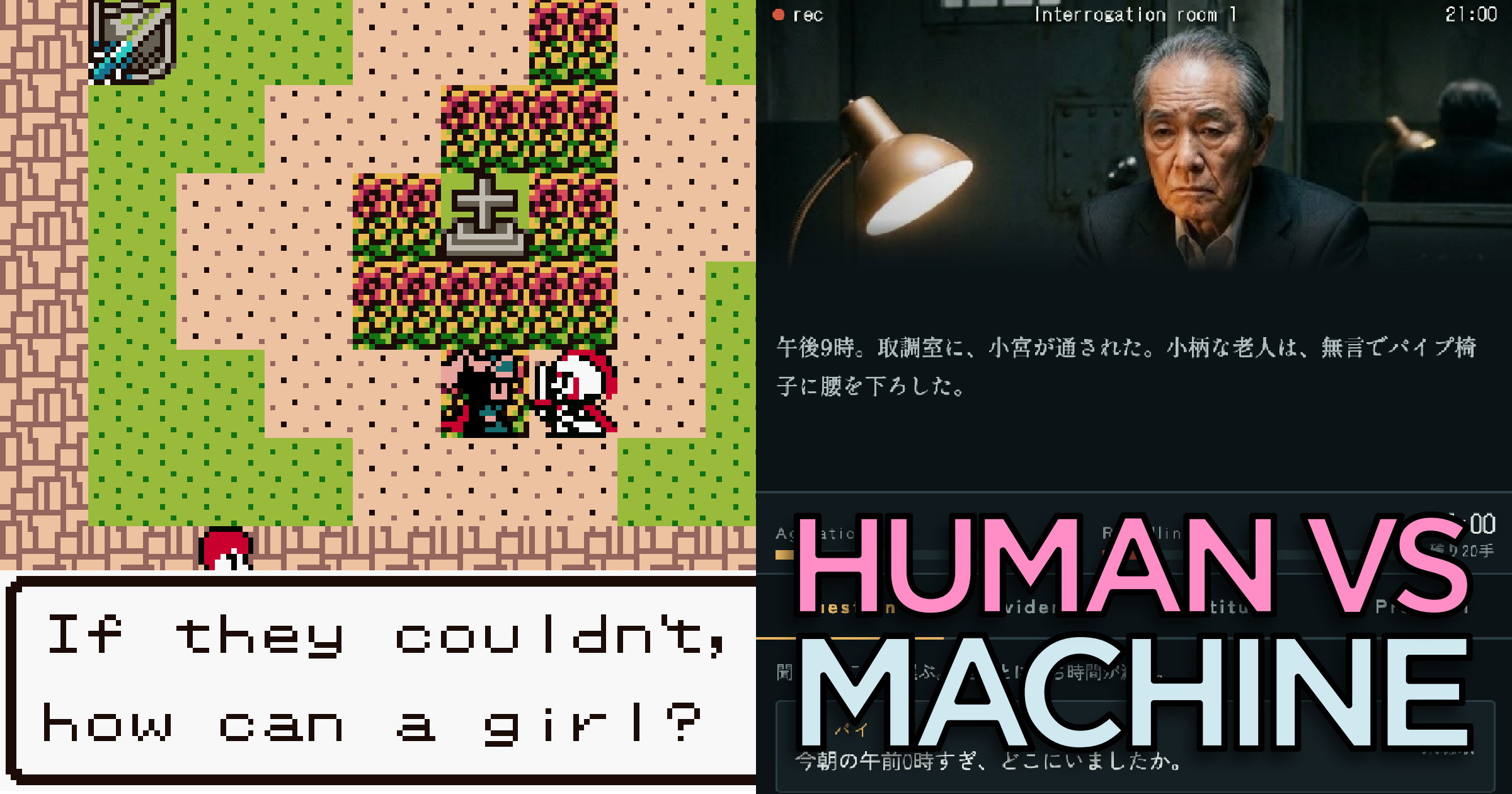
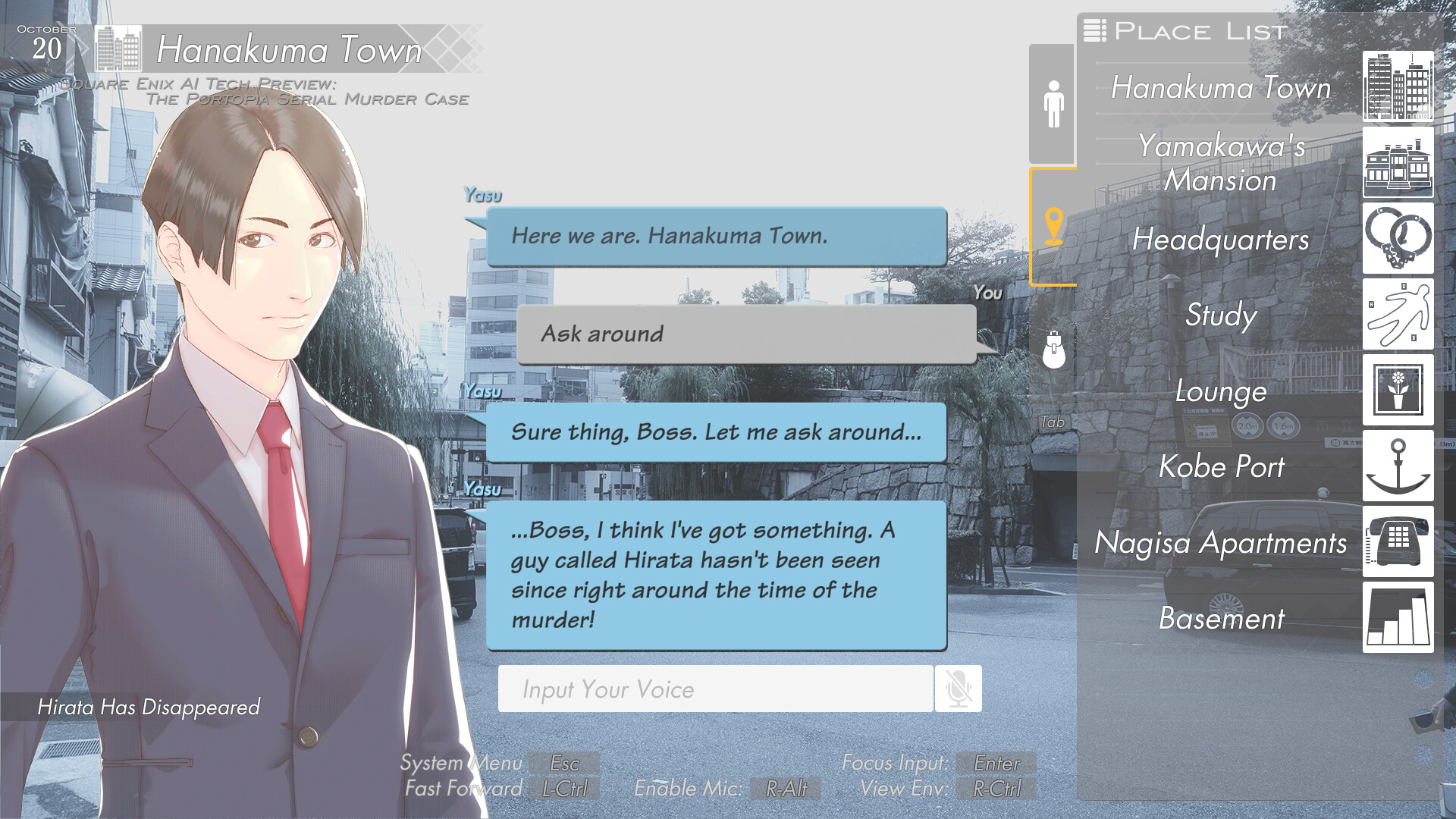
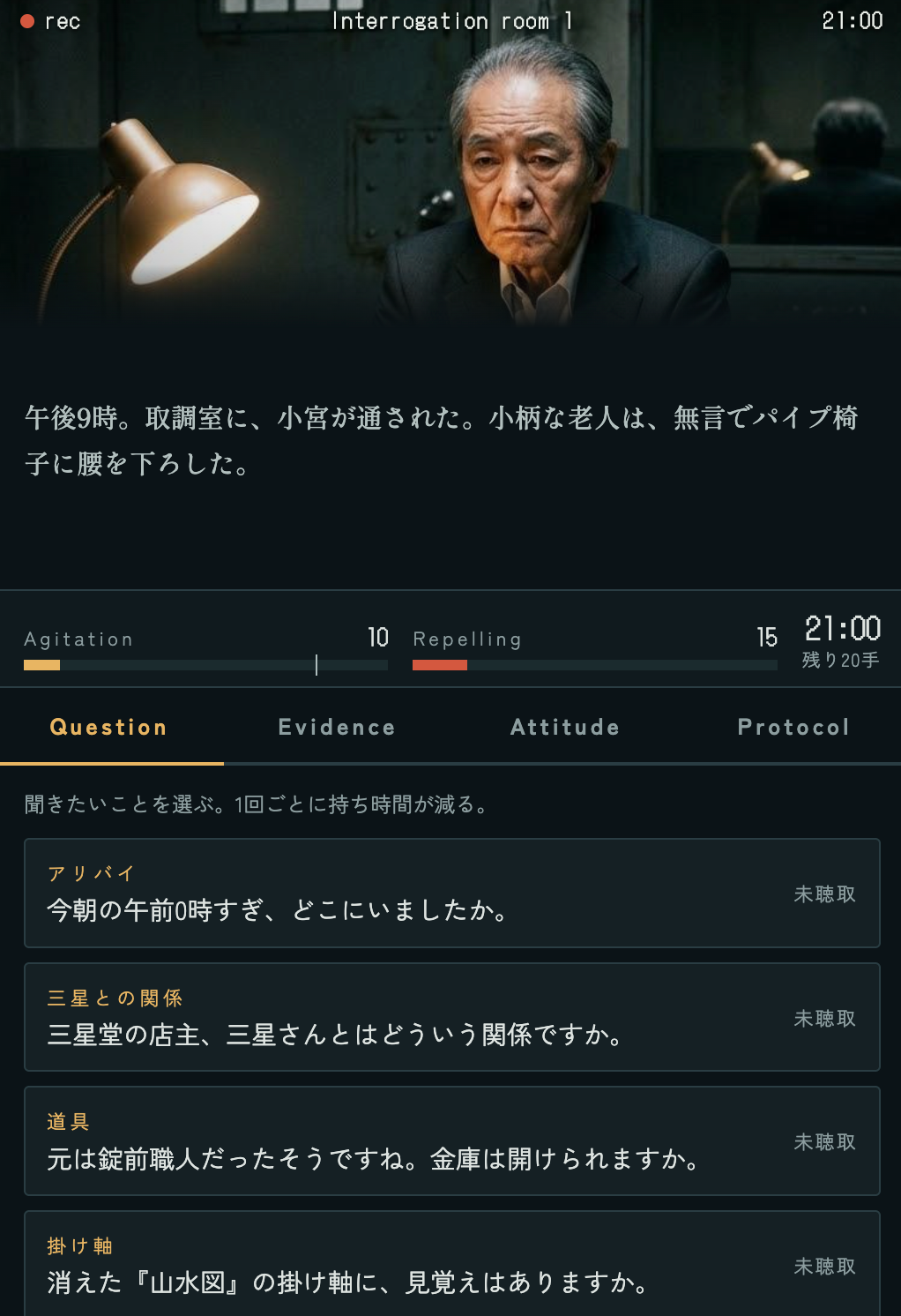
Earlier today, Dragon Quest creator Yuji Horii released a new game—Interrogation Room Komiya—created in “just about 30 minutes” using generative AI1. In many ways, this isn’t exactly a surprising move for Horii. Dragon Quest X includes an AI Chatbot NPC and in 2023, Square Enix released an “AI Tech Preview” remake of Horii’s The Portopia Serial Murder Case—fulfilling the Horii’s dream to “make the computer converse with you if I entered enough data2” while ultimately offering an empty version of the actual game created. Horii has been interested in the idea of using AI for video game development for a long time, and he’s not the only one. Over the last few months, a deluge of idea guys and business executives looking to save a few dollars off of unsustainably cheap AI subscriptions have ravaged the games industry, gradually eroding any sense of artistic merit to what a video game even is. But it’s still a move that hits personally, because over the last few months, I’ve been hacking Dragon Quest.
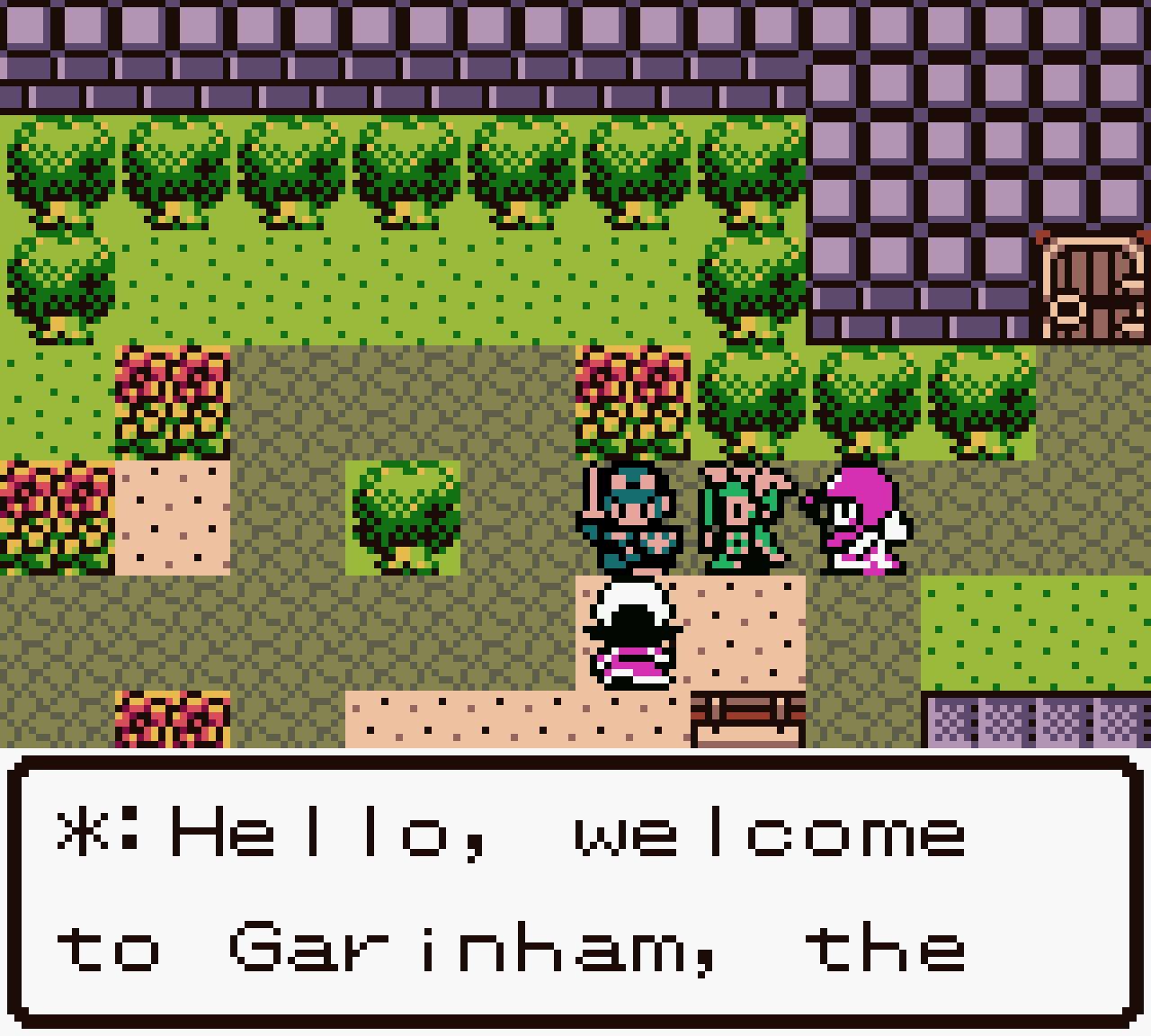
It started out with a rudimentary script hack to change Dragon Quest I’s hero’s gender*. At the time, not knowing how to deal with pointers, my script changes had to fit within the lines allocated to the original script, requiring some fairly awkward script rewrites and dialogue that was faithful to a fault, refusing to acknowledge any of the newfound implications of the hero’s gender. Though I’d come to the conclusion that a simple gender swap hack could not work, the idea of a proper gender swap—one that rewrote the script to acknowledge the hero’s gender—was something that had been eating away at me. But if I was going to do it, I wanted to do it properly.

So I learned how pointers worked. I poured over the Game Boy Color remake’s source code alongside a disassembly of the original famicom release in order to understand how Dragon Quest I works. I’ve long described the turn based JRPG as the most efficient video game genre, but seeing how Dragon Quest’s systems work firsthand has only given me even more appreciation for just how elegant it truly is. Both of the included Dragon Quest I and Dragon Quest II remakes share the same engine and set of data tables, allowing enemies, items, and maps from Dragon Quest I to be repurposed for Dragon Quest II. When you press the A button, the original Dragon Quest’s TALK, SEARCH, DOOR, and TAKE commands have been folded into one priority list that checks any object on your tile, any object in front of you, and any object two tiles away from you if the object in front of you is a designated counter tile. NPC dialogue includes opcodes to jump to different lines of dialogue by referencing specific memory addresses. A single memory address, $D27D, stores whether the princess is unrescued, being carried by the player, or has been delivered to the castle, and is used to dynamically adjust NPC dialogue and even the player’s walking sprite.
Imagine if I hadn’t done all of this, if instead I had asked the computer to do it for me. If I hadn’t personally pored over every line of dialogue and system to consider something in line with what I believed to be the original game’s intent. This is the fate seen by numerous AI-generated video game mods and romhacks, decompilations and recompilations. And AI enthusiasts will tell you that their work isn’t slop—it’s quality. Many of them claim to look over the code being produced, to test their features extensively. But the issue with AI generated hacks isn’t just one of quality, it’s one of soul.
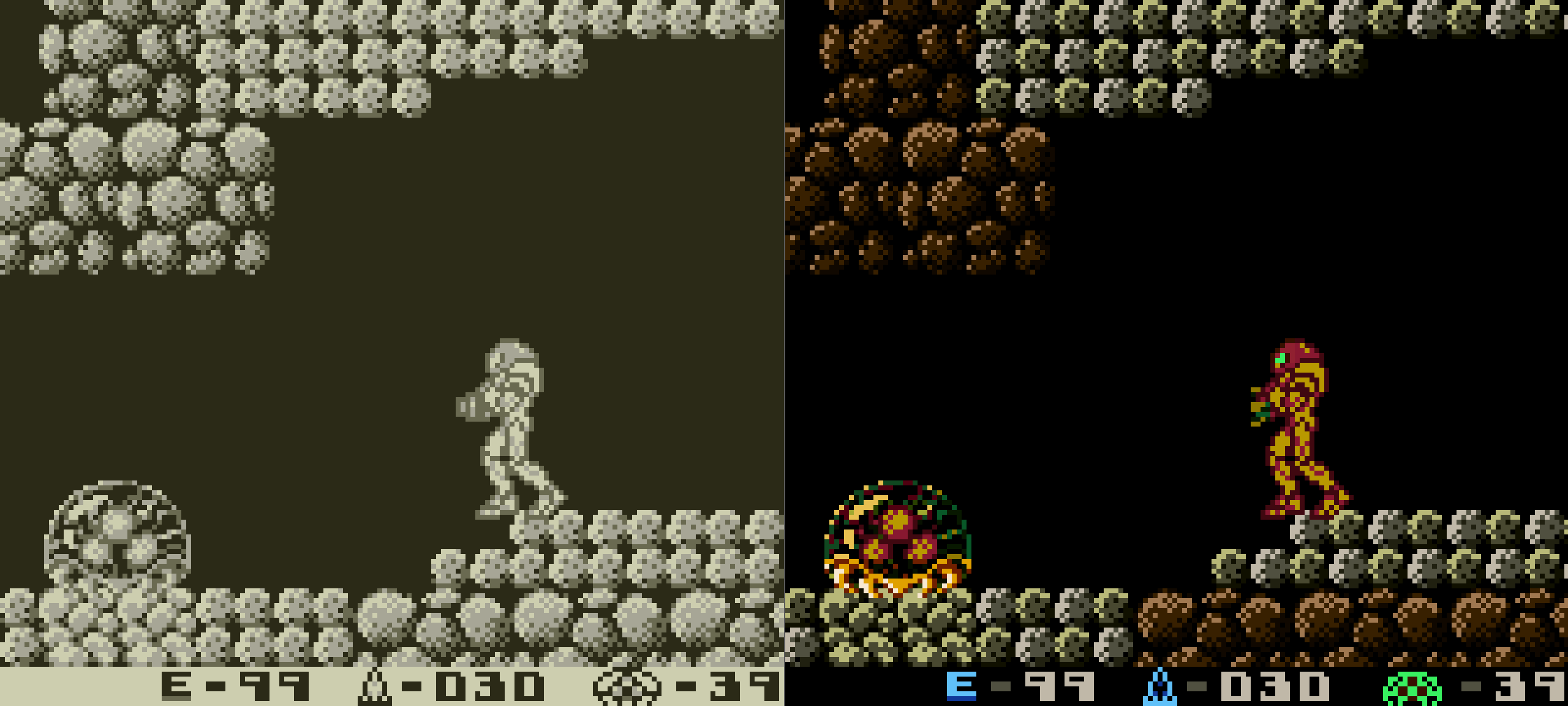
My biggest inspiration for video game hacking is Azurelord Korrigan’s excellent writeup on Metroid II: Return of Samus, written alongside her colorization hack for the game. Korrigan lays out a series of points about what Metroid II is and how the game utilizes its hardware so effectively, before explaining her choice to make a colorization hack anyway as a compromise for experiencing the game outside of original hardware. And this care and consideration shows through every corner of the hack. Could an AI have done this? An AI could have read through Metroid II’s ROM and colored its sprites, but could an AI truly have a vision? Could an AI have considered the original game’s design, made bold claims about its intent, and followed through on those claims with its work?
AI enthusiasts will tell you that it could, or at the very least that you could tell it to yourself. That you could simply feed a writeup about what Metroid II or Dragon Quest or any other game is and what you want your hack to be, and the machine can produce both technically and artistically competent work. That the machine is simply a bridge between the idea and the product, removing the technical barrier and making the work accessible. But anyone who has played the original Dragon Quest can tell you that the journey is the destination; the work is the result. There is no perfect prompt that can match the time I spent learning Dragon Quest’s systems, the understanding I gained of its intent through engaging with the game’s code directly. And while it’s true that I have a technical background, it’s also true that there are numerous resources and tools made specifically for game hacking that made any of this work possible. Tools made by humans, for humans, allowing anyone with enough dedication to learn the craft.
But to humor the AI fans, I tried things their way. I created a detailed writeup of my intentions: to rewrite the original Dragon Quest with a female protagonist, to carefully consider every line of dialogue with the added context against my understanding of the original game’s script and its relationship with masculine archetypes. I went back and forth with the machine multiple times iterating on the idea, from a simple pronoun rewrite to something more considered. It took about an hour.
And the result was... fine. Serviceable. If you really wanted to play Dragon Quest I with a female protagonist, it would do the job. And to the machine’s credit, it largely understood how the game worked. Had I wanted to, it would have been possible to use it to dump the original game’s script, handwrite a modified version that considers the original’s design details, and use that as the basis for the hack. But even if I were to do so, there would be something lost. My understanding of the original Dragon Quest would have been incomplete without interfacing with the game on such a direct level, without exposing the game’s artifice in search of its artistry. Playing through this hack felt like seeing a ghost, both of the original Dragon Quest as well as my version. And even if it were possible, it wouldn’t matter. Because that’s not how the machine is being used.
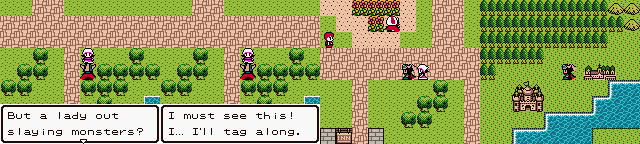
There is an absolute deluge of AI generated work. Recompilations and ports that blindly translate games outside their original hardware context, a trend of “video game mashups” that drop one game’s systems into another, ROM hacks and mods that range from simple tweaks to complete overhauls. All done in pursuit of the spectacle of consideration, all with real cost. Fan projects are created for free, fueled by the passion of their creators—passion that only exists through recognition of their work. But that recognition is being eroded, by an entitled mass of people who do not care about the work it takes to create these projects—to pursue quality over quantity—to demand nothing but results. What we are seeing is the strangling of an artform in service of cheap, derivative work that spits in the face of what fan projects can be.
I played through Yuji Horii’s AI game. Though it was only released in Japanese, machine translation felt in line with the intent of the project and the work put into it. Its systems are perfectly compotent and its writing largely coherent. But this is a project that ultimately could have come from anyone. Though I disagree with many of his personal beliefs—well beyond AI usage—Yuji Horii is a creator whose work I greatly respect. Dragon Quest is a franchise built on the marriage of three artists, each celebrated in their own mediums. But human creativity is not an obstacle to be overcome.
AI usage has seeped its’ way into every facet of the games industry, with companies like Epic Games demanding complete generative AI workflows. But as someone who loves this medium, it’s tragic to see these beliefs extend beyond the corporate, to individual creators and fans. To people who claim to love games as they spit in the face of their development.